
Turn Streets Into Smiles

Tonight we explore family-friendly programming for neighborhood block parties with DJs, projectors, and local vendors, transforming everyday intersections into welcoming festival squares. Expect actionable planning tips, thoughtful safety details, and playful sparks that let grandparents, teens, and toddlers dance together, share stories, and discover new small businesses that keep the block thriving long after the speakers power down.

Designing Inclusive Festivities

Age‑Scaled Activity Zones

Create adjacent yet distinct pockets where toddlers crawl safely on foam mats, school‑age kids craft or play cooperative games, and teens lead mini challenges or dance battles near the DJ. Keep sightlines open so caregivers relax, place hydration nearby, and rotate micro-activities every thirty minutes to maintain curiosity without overwhelming anyone with constant noise or crowds.

Quiet Corners and Sensory‑Friendly Spaces
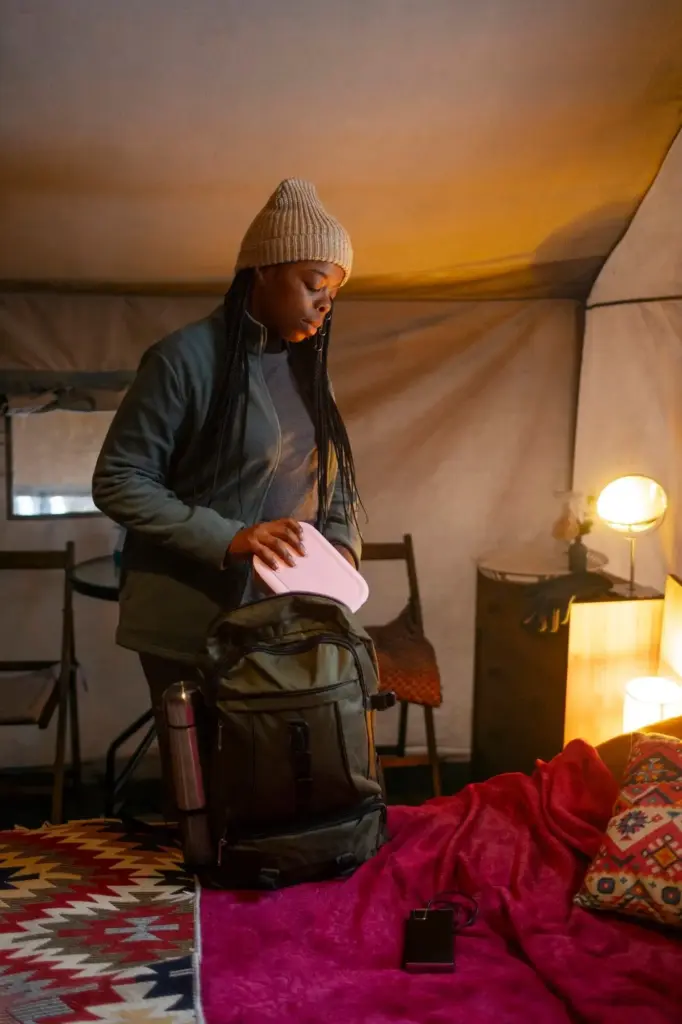
Balance the beat with breathing space. Set aside a soft-lit nook with beanbags, noise-reducing headphones, tactile fidgets, and simple art pages. Post a sensory map so families know what to expect, and encourage short, clearly announced quiet breaks that help sensitive guests reset, rejoin the flow, and feel that their comfort truly matters to the neighborhood.

Safety, Accessibility, and Flow

Design traffic calmly. Use barricades, reflective signage, and volunteer crossing marshals who wave kindly and know the schedule. Add cable ramps, wheelchair-width aisles, and clearly marked restrooms. Keep first-aid visible, lost-and-found friendly, and light pathways thoughtfully, so dusk feels magical yet navigable, allowing families to linger, explore, and head home with full hearts.

Music That Moves Without Overwhelming

A skilled DJ can crossfade decades, cultures, and moods, inviting everyone to dance without sacrificing neighborhood peace. Set decibel goals, use clean edits, and welcome requests that honor community values. Between sets, lower volume for conversation, announcements, and vendor spotlights, ensuring music energizes connection rather than competing with it across the whole block.

Curating Clean, Cross‑Generational Playlists

Blend beloved classics with contemporary joyful tracks, prioritizing radio edits and positive lyrics. Consider short genre journeys: Motown medleys, global rhythms, and kids’ singalongs that segue smoothly into grooves adults adore. Invite elders to suggest songs from local history, then celebrate those picks on the mic, turning the dance floor into a listening library of neighborhood memories.

Volume, Acoustics, and Neighborhood Harmony

Position speakers inward, away from homes, monitor levels from multiple corners, and post a friendly decibel target near the booth. Share a quiet-hours plan beforehand. If bass travels, reduce sub frequencies and raise mids for clarity. Balance energy with empathy, proving a party can be exuberant, safe, and respectful of babies’ bedtimes and night shift workers.

Interactive DJ Moments

Hand out request cards for kids to draw their favorite songs, then weave those into a mini parade. Host short line-dance tutorials or freeze‑dance games to unite ages instantly. Let local youth try a safe thirty‑second scratch under supervision. These small participatory sparks turn listeners into co-creators, strengthening confidence, pride, and neighborly laughter that echoes kindly.

Big Screens, Bigger Memories

Projectors can turn brick walls into family cinemas, art galleries, and community bulletin boards. Choose the right brightness, plan for ambient light, and ensure content is licensed and welcoming. Pair captions and low-volume audio with comfy seating clusters, and schedule short reels between DJ sets so no one feels torn between dancing and watching together.

Selecting Equipment and Setup

Aim for a projector with 3,500+ lumens if dusk viewing is likely, and use a matte screen or white wall with decent gain. Elevate the projector safely, align keystone carefully, and protect cables with ramps. Add low stools, picnic blankets, and stroller parking, so families settle in easily without blocking sightlines or crowd circulation.

Content Rights and Community Relevance

Choose short films, cartoons, or local history clips you’re truly allowed to show, obtaining necessary public performance permissions. Invite neighborhood artists to submit animations or photo stories, then curate a gentle sequence that pairs well with snacks. Keep runtimes digestible, themes uplifting, and representation genuine, so viewers feel seen, curious, and warmly included.

Seating, Sightlines, and Accessibility

Stage seating in gentle tiers: blankets up front, low chairs mid‑zone, and taller chairs at the back. Reserve accessible viewing with clear approaches and companion spots. Add captions, consider audio description, and post content durations. Good sightlines reduce fidgeting, increase comprehension, and help caregivers juggle snacks, strollers, and joyful little questions between scenes.

Local Vendors with Heart

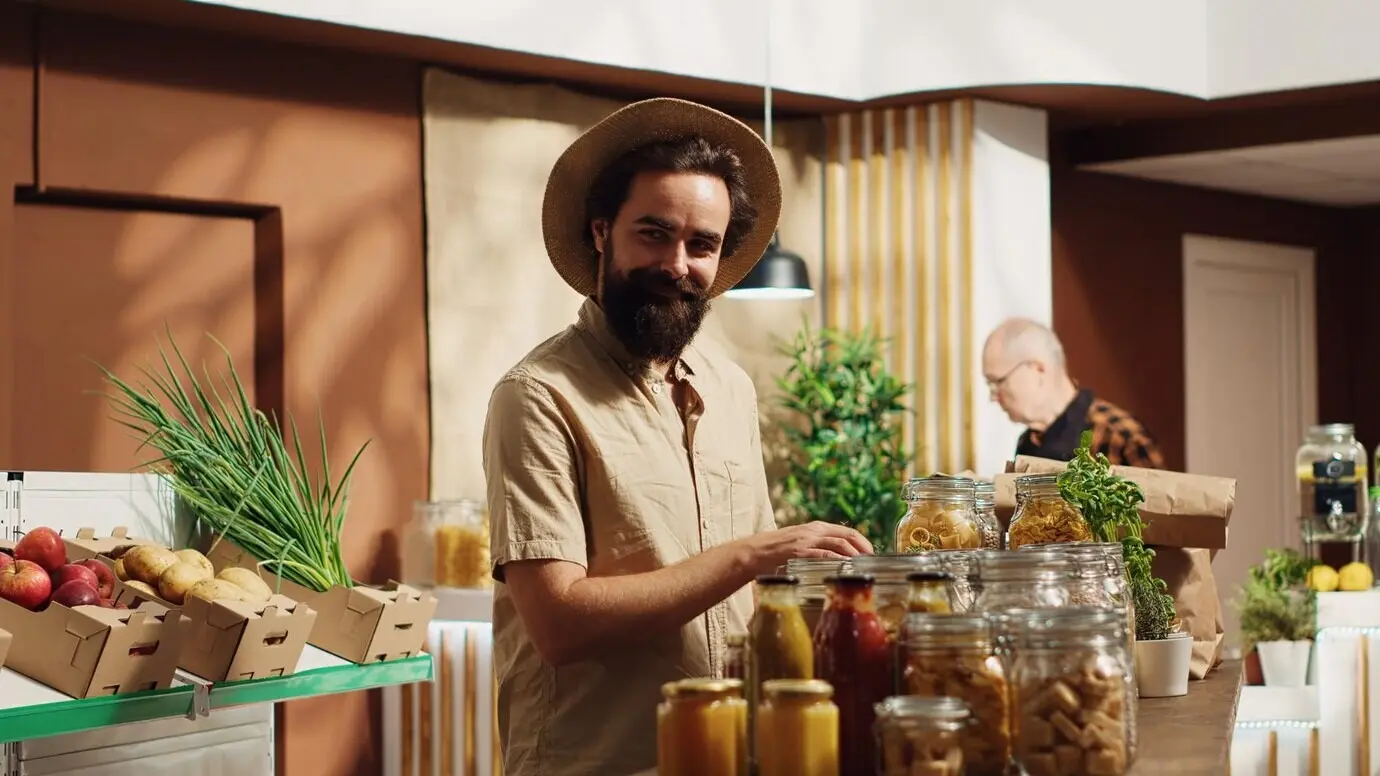
Invite neighborhood bakers, crafters, farmers, and food trucks to showcase goodness that tastes like home. Coach vendors on kid-sized portions, clear pricing, and options for allergies. Encourage sampler bundles, hydration stations, and waste-sorting. When people spend locally, they invest in friendships, jobs, and flavors that keep the block feeling generous year after year.

Vendor Mix and Micro‑Entrepreneurs

Balance established trucks with pop‑up tables from home‑based bakers, youth lemonade stands, and makers selling small thoughtful items. Rotate spotlight minutes so each vendor shares a story about ingredients, heritage, or craft. These short narratives turn transactions into relationships, helping families remember faces, flavors, and the care stitched into every bite or keepsake.

Permits, Waste, and Sustainability

Coordinate health permits, handwashing, and temperature controls, then match them with compostable service-ware and clearly labeled bins. Encourage reusable cup discounts and provide gray water plans for mobile kitchens. Post simple signage about what goes where. Clean streets and thoughtful practices tell kids that celebration and responsibility can dance together without missing a beat.

Affordable Options and Community Equity

Offer sliding‑scale bites, family bundles, and a pay‑it‑forward jar administered transparently. Consider meal tokens funded by sponsors, ensuring dignity and ease. Spotlight free tastings during lull hours and announce them gently. When cost isn’t a barrier, families linger longer, discover new favorites, and feel the event belongs to them as much as anyone.

Games, Crafts, and Learning Stations

Streets become classrooms, playgrounds, and studios when activities invite cooperation rather than competition. Plan quick wins for shy kids, stretch challenges for eager teens, and stress-free crafts for multitasking caregivers. Keep mess manageable, rotate facilitators, and celebrate small completions with stickers or applause, turning simple stations into proud, shareable moments worth returning for.

Cooperative Games That Build Belonging

Swap winner‑takes‑all contests for relay silliness, parachute play, or neighborhood scavenger hunts that reward teamwork, listening, and patience. Include bilingual clue cards, keep rounds short, and invite mixed‑age teams. A grandparent guiding a clue while a toddler carries stickers becomes a treasured snapshot proving connection is the grand prize everyone gets to keep.

Hands‑On Creativity Without the Mess

Offer reusable stencils, stamp pads, and washi tape instead of glitter explosions. Set drying racks, label markers, and provide aprons. Feature a communal banner where completed drawings join together. When families see their art stitched side by side, they feel ownership of the street, strengthening pride that lingers long after the lights dim softly.

Power Plans That Don’t Trip the Breaker

List every device, note watts, and add headroom for surges. Separate audio from lighting circuits to prevent hum, and route cables through ramps. If using generators, place downwind with sound blankets. A steady, quiet supply protects ears, gear, and mood, keeping the evening flowing like a well-rehearsed chorus everyone hums happily.

Permits and Stakeholder Alignment

Confirm street closure requirements, noise windows, and food service rules with city partners. Loop in residents, faith groups, and nearby businesses early through flyers and building chats. Share schedules, contacts, and cleanup commitments. When neighbors feel informed and respected, they become co-hosts, lending power strips, chairs, and encouragement that smooths every unexpected bump.

Storytelling, Hosts, and Flow

A caring host threads moments together so nothing feels rushed or confusing. Use short welcomes, clear transitions, and joyful acknowledgments. Invite youth announcers, spotlight elders’ memories, and give vendors gentle applause breaks. The program feels like a friendly conversation where every voice gets space, and the night unfolds with generous, neighborly rhythm.

Measuring Impact and Staying Connected
The final song isn’t the end; it’s the beginning of the next invitation. Share a QR survey with playful emojis, gather stories at a memory wall, and invite newsletter signups. Post photos thoughtfully, credit artists, and schedule a tiny follow-up cleanup party that doubles as a reunion filled with appreciative high‑fives and gentle laughter.
Hospitaldiscovery
Privacy Overview

This website uses cookies so that we can provide you with the best user experience possible. Cookie information is stored in your browser and performs functions such as recognising you when you return to our website and helping our team to understand which sections of the website you find most interesting and useful.